
25 Nov Everything you need to know about turnkey roofing: materials, installation, and maintenance
The roofing industry has evolved significantly over the past decade, with homeowners and commercial property owners seeking simplified, reliable solutions. One of the most efficient approaches is turnkey roofing, which provides a complete, end-to-end service.
Unlike traditional roofing projects where multiple contractors handle different tasks — often leading to miscommunication, delays, and additional costs — turnkey roofing ensures that a single provider manages everything: from material selection to installation, insulation, and maintenance.
By choosing a turnkey roofing service, you benefit from expert guidance, high-quality materials, and professional installation, all of which guarantee a durable, efficient, and worry-free roof. This article explains how turnkey roofing works, why it is beneficial, the materials used, installation procedures, and how proper maintenance maximizes your investment.
What Is Turnkey Roofing?
Turnkey roofing is a full-service roofing solution in which a single contractor oversees every stage of the roofing project. The concept is designed to make roof installation stress-free for the client and ensures that the final product is ready for immediate use.
Key services included in turnkey roofing:
- Consultation & Planning: Evaluating the building’s requirements and recommending the best roofing solution.
- Material Selection: Choosing high-quality options such as bituminous materials, insulation boards, and protective coatings.
- Installation: Professional application of membranes, insulation, and finishing layers.
- Maintenance & Repairs: Scheduled inspections and timely repairs to extend roof life.
By consolidating all these services, turnkey roofing reduces logistical complications and improves overall efficiency.
Why Turnkey Roofing Is a Smart Choice
- Streamlined Project Management
Turnkey roofing eliminates the need to coordinate between multiple subcontractors. The service provider manages every stage — scheduling, installation, quality checks, and inspections — which reduces errors and project delays.
- High-Quality Material Selection
A turnkey roofing service ensures that only top-quality materials are used. Options typically include:
- Bituminous Roofing: Perfect for flat roofs due to its waterproofing and durability.
- Roof Insulation Boards: Improve energy efficiency and reduce indoor temperature fluctuations.
- Roofing Felt: Adds an extra layer of waterproofing, often at a lower cost.
- Protective Coatings: Extend the lifespan of the roof by shielding it from UV, rain, and wear.
Professional guidance helps clients balance cost, performance, and longevity while sourcing materials from trusted roofing materials stores.
- Expert Installation
Professional installers follow industry standards to ensure:
- Seamless waterproofing for flat and low-slope roofs
- Correct application of roof insulation for thermal efficiency
- Proper sealing of edges, corners, and roof penetrations
- Minimal future maintenance requirements
The precision of expert installation ensures that your roof remains durable and resistant to environmental stress.
- Predictable Costs
Turnkey roofing offers transparent pricing. Clients receive detailed quotes covering:
- Materials
- Labor
- Insulation costs (roof insulation price)
- Maintenance packages
This prevents budget overruns and eliminates hidden fees, giving clients peace of mind.
- Long-Term Maintenance
Turnkey roofing services often include scheduled inspections, maintenance, and emergency repairs. Regular checkups prevent small issues such as blisters, cracks, or water seepage from turning into costly problems.
Turnkey Roofing for Flat Roofs
Flat roofs present unique challenges that require specialized solutions. Common concerns include:
- Water pooling and drainage issues
- Increased UV exposure
- Thermal expansion and contraction
Turnkey providers often recommend bituminous roofing because:
- It forms a seamless, waterproof membrane.
- Modified bitumen remains flexible under extreme weather conditions.
- It can be combined with insulation boards for energy efficiency.
- Protective coatings enhance lifespan and reduce maintenance needs.
Additional preventive measures, such as edge sealing, flashing, and proper drainage design, are also part of turnkey services to ensure long-term performance.
Key Components of Turnkey Roofing Projects
A comprehensive turnkey roofing project brings together several essential elements to create a durable and efficient roofing system. It begins with high-quality materials such as bituminous membranes for waterproofing, roofing felt for added protection, and specialized coatings for UV and weather resistance. Insulation plays a key role by reducing heat transfer, enhancing energy efficiency, and improving overall indoor comfort.
Effective drainage systems prevent water pooling and protect the roof from leaks, while edge finishing and flashing seal joints, corners, and penetrations to guard against water seepage and wind damage. Regular maintenance services, including inspections, minor repairs, and protective coating applications, ensure long-term performance and reliability. Together, these components form a fully integrated, high-performance turnkey roofing solution.
Step-by-Step Installation Process
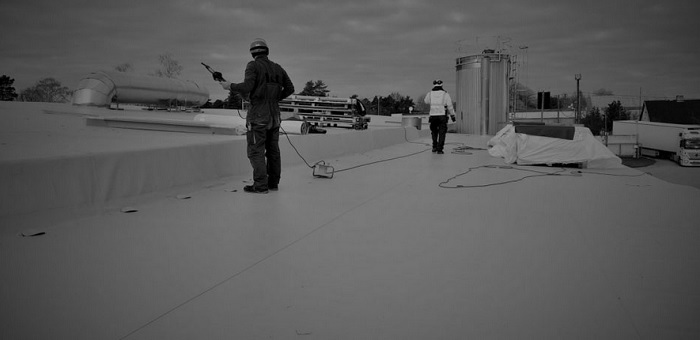
Turnkey roofing installation is a multi-step process that guarantees long-term performance:
Site Assessment:
- Measure roof dimensions
- Inspect structural integrity
- Recommend materials based on roof type and climate
Material Procurement:
- Source bituminous sheets, roofing felt, insulation boards, and coatings
- Ensure quality standards are met
Surface Preparation:
- Clean debris and repair structural weaknesses
- Ensure the roof surface is smooth and ready for membrane installation
Membrane Installation:
- Lay bituminous sheets with precise alignment
- Use heat welding or adhesives for seamless coverage
Insulation Application:
- Install insulation boards to enhance energy efficiency
- Ensure proper adhesion and thickness for optimal performance
Edge Sealing & Flashing:
- Seal edges, joints, and roof penetrations
- Protect against leaks and wind damage
Final Inspection:
- Quality check for adhesion, waterproofing, and durability
- Handover to the client with maintenance instructions
This structured approach minimizes installation errors and ensures long-term reliability.
Advantages of Turnkey Roofing vs. Traditional Roofing
Compared to conventional roofing projects, turnkey solutions offer multiple advantages:
- Single Point of Contact: One provider manages the entire project
- Better Quality Control: Professional supervision at every step
- Time Efficiency: Faster completion with no scheduling conflicts
- Cost Transparency: Clear pricing and fewer hidden costs
- Extended Roof Life: Proper installation and maintenance reduce early deterioration
Turnkey roofing eliminates the risk of mismatched contractors and ensures that every element works together seamlessly.
Cost Considerations of Roofing
The total cost of a turnkey roofing project varies based on several factors, including the size and complexity of the roof, the materials chosen (such as bituminous roofing or alternative systems), and the type and thickness of insulation used.
Labor and professional service fees also contribute to the overall cost. While turnkey roofing projects typically involve a higher initial investment compared to DIY or partial installations, they often prove more cost-effective in the long run by reducing the need for frequent repairs and ongoing maintenance.
Maintenance Tips for Turnkey Roofs
Even with professional installation, routine care extends the roof’s life:
- Conduct inspections twice a year, before and after winter or rainy seasons
- Keep gutters, drains, and downspouts free from debris
- Check seams, edges, and joints for cracks or blisters
- Reapply protective coatings as recommended
- Avoid heavy or sharp objects on the roof surface
Turnkey service providers may also offer maintenance contracts, ensuring ongoing roof health and durability.
FAQs About Turnkey Roofing
-
What exactly does turnkey roofing include?
Turnkey roofing covers everything from material selection, installation, insulation, protective coatings, to maintenance, providing a ready-to-use roof.
-
Is turnkey roofing suitable for residential buildings?
Yes, it’s flexible and ideal for homes, apartments, offices, and industrial facilities.
-
Are materials used high-quality?
Yes, reputable providers use bituminous membranes, roofing felt, insulation boards, and protective coatings to ensure durability.
-
How much does turnkey roofing cost?
Costs depend on roof size, material type, insulation, and labor. Providers typically offer transparent, all-inclusive quotes.
-
Is maintenance included?
Many turnkey services offer scheduled inspections, repairs, and coating applications to extend roof life.
Conclusion
Turnkey roofing is the ultimate solution for property owners seeking convenience, reliability, and long-term performance. From selecting the right roofing materials like bitumen and felt to professional installation, insulation, and ongoing maintenance, turnkey services streamline the entire process.
Whether you have a flat roof or complex commercial building, turnkey roofing by Roofmaster reduces stress, ensures quality, and maximizes your investment. With proper care, your turnkey roof will remain durable, energy-efficient, and leak-free for decades, making it a practical choice for both residential and commercial properties.
No Comments